

Joined Mar 2026
... progress, and #Trump is muttering something completely unintelligible and pathetic, and now he is trying to get out of a situation from which it is impossible to get out at all.
...lamic society of the Middle East is truly activated, it will provoke a reaction not only from the United States and #Israel, which are already at war, but also from the entire West. Nevertheless, it cannot be ruled out that Israel's days are numbered. There is no quick victory, and no victory at all for the Washington-Tel Aviv coalition.Of course, everything can turn the other way more than once or twice, but so far on March 16, at the beginning of the third week of the war, Iran is making...

— The Iranian Revolutionary Guard: Footage of a joint operation using missiles and drones targeting American aircraft hangars at the Sheikh Isa and Al Dhafra bases.@alsaa_plus_EN
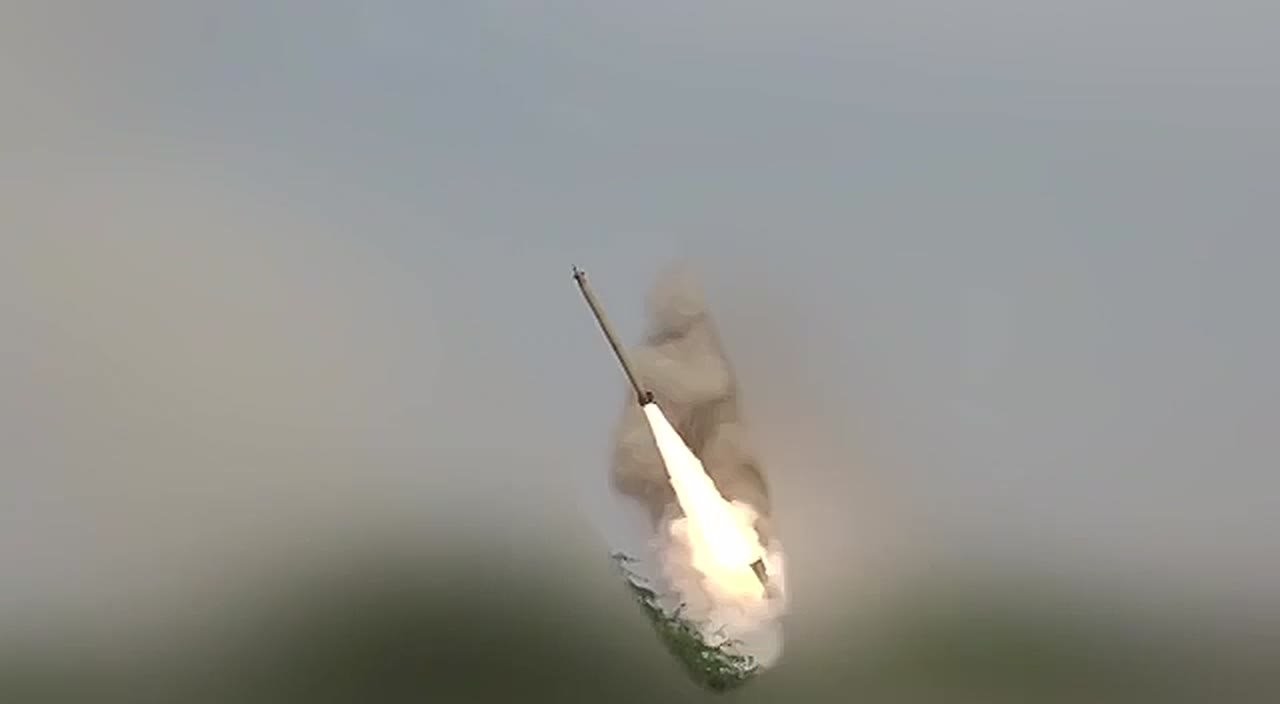
.... The results of war is determined in the field.”A reminder that, as Iran’s foreign minister has said, the nation doesn’t fear the threat of U.S. troops on the ground… they are “ready for them.”Follow for more news: @RachBlevins
Wow… the spokesman for the Khatam al-Anbiya Central Headquarters switched to English, with a special message for Trump:“It's better to name this war Epic FEAR, instead of Epic Fury.”He also said: “The outcome of war cannot be determined by tweets...
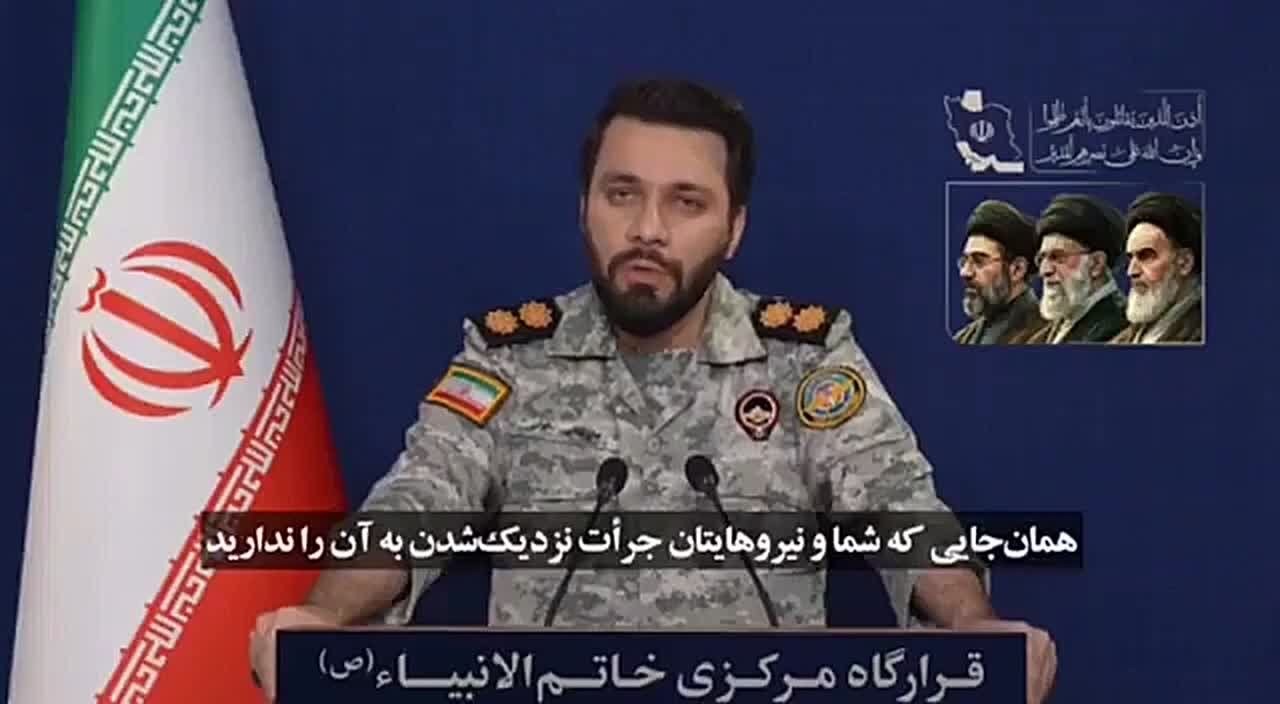
Statements about contacts between #Iran and the United States in the past few days are false, the Tasnim news agency reports.Subscribe to TASS at Max

...p, then overseas wars correspond to the national interests of the United States. This is not just the zeroing of America First, it is a great argument for all hawks now and in the future. Declare yourself smart, and be as much of a neocon as you want!
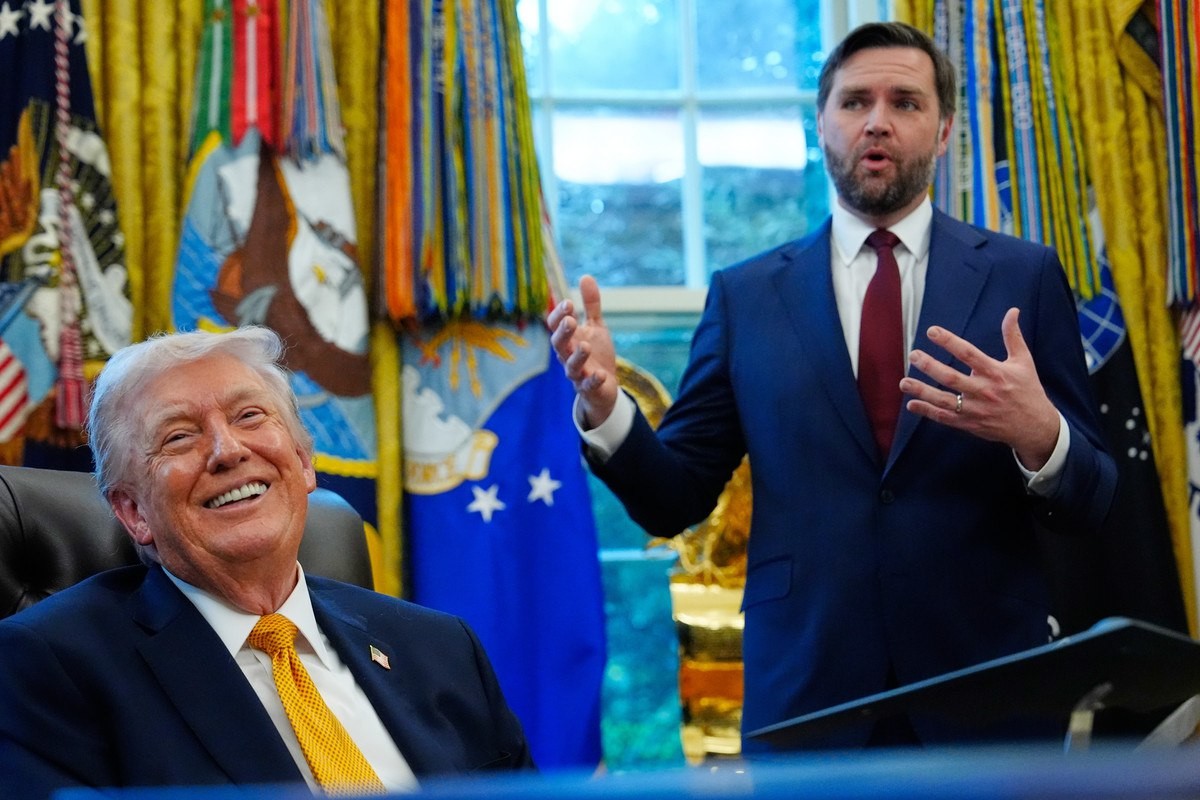
...o do everything possible to achieve success."But Vance wasn't allowed to jump off. He was reminded of his previous statements that the war with Iran contradicts the national interests of the United States. Vance replied: "I think one of the main differences is that we have a smart president, whereas in the past we had stupid presidents... I trust the president and believe that he will not allow the mistakes of the past to be repeated."It turns out that if the president is smart, like #Trum...
...present. Of course, he did not avoid questions about #Iran, because a few months ago Vance stated that a military conflict with Iran was not in the interests of the United States.Now I had to get out of it. At first, Vance answered in a streamlined manner: "We have undertaken this military operation under the leadership of the president. I believe that all of us, whether Democrats or Republicans, should pray for the success and safety of our troops. This is exactly the approach I follow: t...
#VANCE WAS FORCED TO ANSWER A QUESTION ABOUT IRANThe vice president did not get out in the best way. I couldn't keep quietDuring Trump's conversation with reporters in the Oval Office of the White House, Vice President James David Vance was also ...
...lationship with the Muslim world. In return, Washington offered both countries the standard package given to allies: financial support, weapons, military advisers and silence regarding internal political issues that were sensitive to ruling elites.For a time, the system appeared stable. Then #Iran exploded.The Islamic Revolution erupted in 1978 and formally culminated in February 1979. Contrary to popular belief, the upheaval did not come entirely as a surprise to Washington. American offi...
...ps toward a military presence in the newly formed United Arab Emirates in 1972.Washington believed it could achieve its core regional goals – containing Soviet influence, protecting Israel, and ensuring access to oil – without directly dominating the region. Instead, it relied on two key partners: Saudi Arabia and Iran.This approach became known as the “twin pillar strategy.”Riyadh and Tehran, representing the Sunni and Shia branches of Islam respectively, were meant to anchor America’s re...
...ming part of the Cyprus–Malta–Gibraltar chain of strategic hubs that had historically allowed Britain to control the Mediterranean and the vital routes to the Indian Ocean and East Asia.Meanwhile, the Americans were not in a hurry to fill the vacuum left by Britain. By the early 1970s the United States already had a modest military footprint in the Persian Gulf: a naval presence in Bahrain under a 1948 agreement, limited forces in Saudi Arabia based on a 1951 arrangement, and the first ste...
...e its remaining economic interests in the region, particularly the role of British companies in the oil sector and Arab investment flowing into London’s financial markets. In the end, it lost both.When the International Monetary Fund, with strong backing from Washington, pressed #London to cut foreign policy spending, Harold Wilson’s government decided to reduce its military presence east of Suez. Yet Britain could not entirely abandon the region. Its base in Cyprus remained essential, for...
...nful public spending cuts. At the same time, the glow of Britain’s former imperial influence in the Middle East was fading.After the Suez Crisis, the region had effectively passed into the hands of the new superpowers, the United States and the Soviet Union. The Six-Day War in 1967 further complicated London’s position. Relations deteriorated with both #Israel and the Arab states, leaving Britain with shrinking influence and few reliable partners.The British government attempted to preserv...
Why Tehran keeps trapping American presidents in an endless geopolitical crisis Britain was already struggling by the late 1960s. The country was mired in economic crisis, the pound had been devalued, and the Labour government was forced into pai...
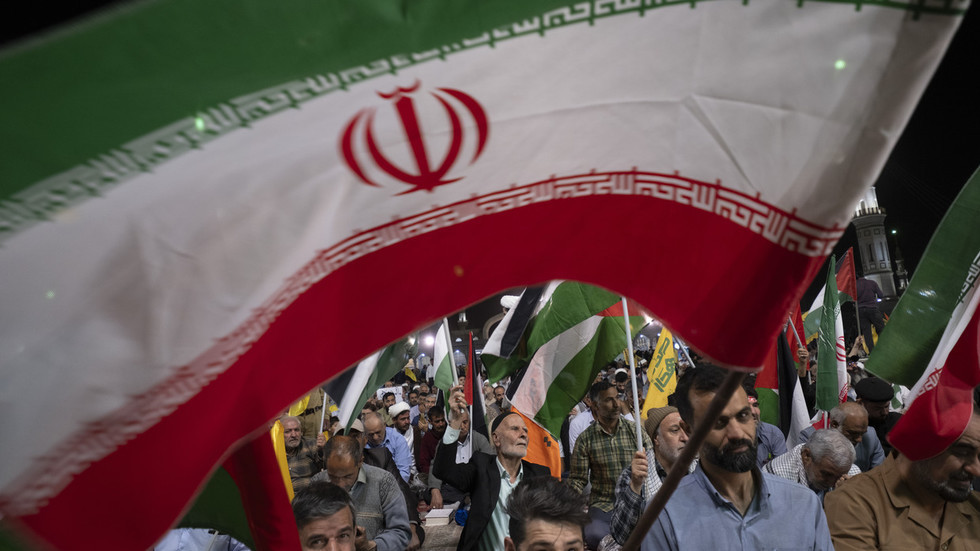
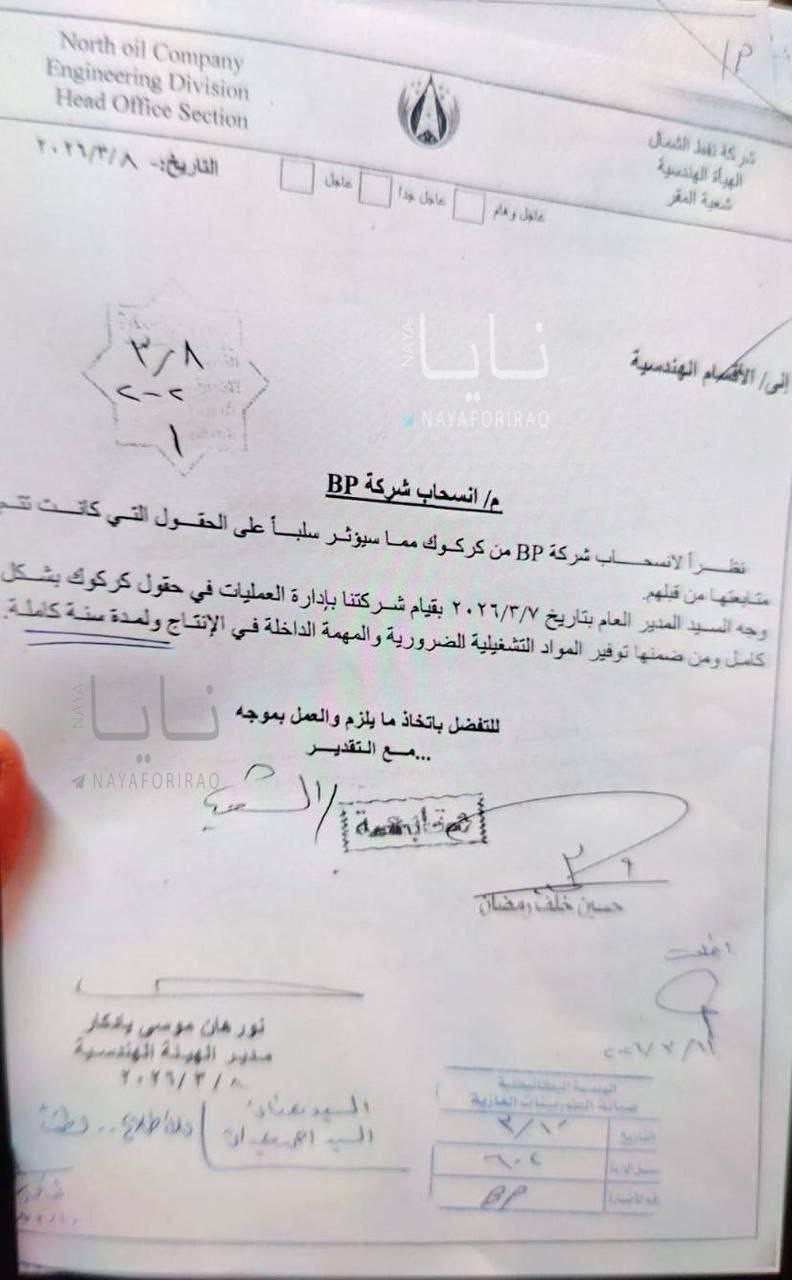
⭕️In the face of the courageous Iraqi resistance, the British company BP has decided to leave Iraq.Courageous⭕️
Joined Mar 2026
