
War Pressure Made #Iran #Drone Powerhouse: History of Iranian Drone ProgramIran’s drone industry emerged from battlefield and #sanctions pressures during the 1980–1988 Iran-Iraq War. Aircraft losses and spare-parts shortages left Iranian commande...
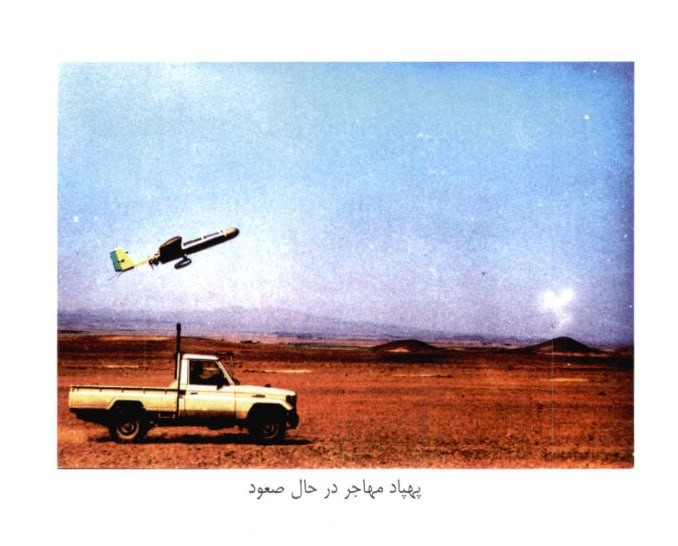
...rs struggling to gather aerial intelligence. As reconnaissance flights became increasingly risky, Iran explored alternatives to reverse the situation:In the early years of the war, RF-4 Phantom reconnaissance aircraft inherited from the Shah’s air force photographed Iraqi positions. By the mid-1980s, however, that capability had sharply declined. Maintenance shortages and the threat from Iraqi air defenses forced the air force to limit reconnaissance missions. Operational planners were lef...
...htweight cameras. These early #UAVs produced usable aerial photographs of Iraqi positions, demonstrating that unmanned aircraft could partly replace conventional reconnaissance missions.These experiments produced the Talash reconnaissance drones, simple aircraft designed to photograph enemy lines. Their success led the Islamic Revolutionary Guard Corps to establish a small #UAV reconnaissance element known as the Raʿd unit, tasked with supplying aerial imagery to battlefield planners.Exper...

...ience gained with the Talash systems later produced more capable platforms, including the Mohajer UAV. Over the following decades, Iran expanded this wartime improvisation into a structured drone industry. The program eventually produced surveillance aircraft such as the Shahed-129 and loitering munitions like the widely known Shahed-136.